All about Bedding Sets
Wiki Article
Some Known Details About Bedding Sets
Table of ContentsAll about Bedding SetsAll about Bedding SetsMore About Bedding SetsBedding Sets for DummiesThe Basic Principles Of Bedding Sets The Only Guide to Bedding Sets
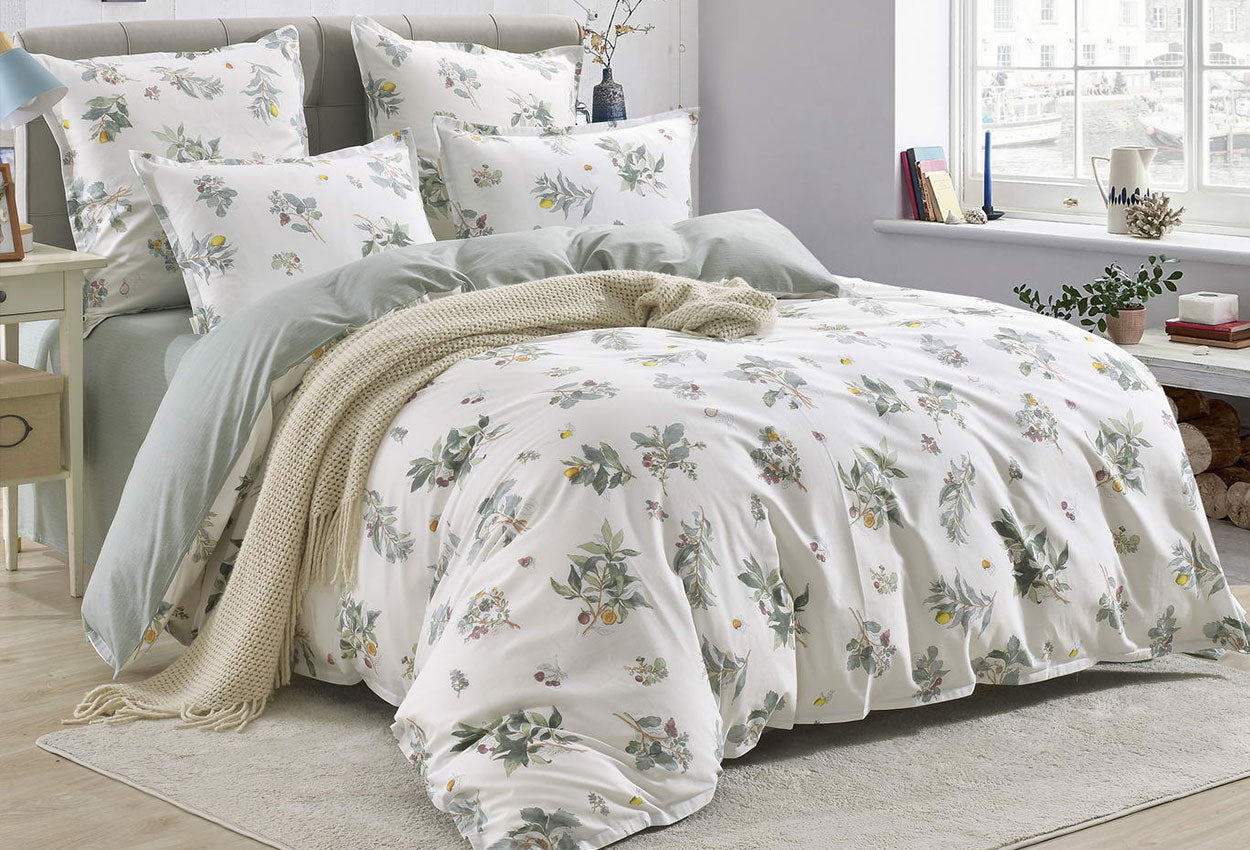
Comforter: Also recognized as duvets, comforters are thick, quilted bedcovers filled with plumes, down or various other natural or synthetic fibers. Comforter cover: Likewise referred to as a duvet cover, a comforter cover is a sack-like covering with three shut sides and one open side that fits over a comforter to offer it a face-lift.Cotton batting: A layer of pressed cotton fibers made use of as a fill in quilts. Coverlets: A coverlet is commonly a lightweight, woven spread utilized on the top of the bed linens. It can be big enough to suspend the sides of a bed or simply cover the top of the bed mattress to make sure that the bed skirt or bed frame is subjected.
The layers are held together with stitching with all 3 layers. The top layer is typically artfully formed; the bottom layer can either match the leading or offer a different look. Quilt establishes: A coordinated bed set that consists of a patchwork, 2 standard shams (one sham with a twin patchwork) and, in many cases, a decorative toss cushion.
3 Simple Techniques For Bedding Sets
Cushion shams are usually positioned before the cushions made use of for sleeping, which would certainly be covered with normal pillow cases. Sheet collection: A total set that includes a flat sheet, fitted sheet and 2 standard pillow cases (twin has one pillowcase; full and queen have two conventional pillowcases, king has two king pillow cases).Split edges: On bed skirts, corners at the foot of the bed, from the platform to the hem, constructed without joints to produce an opening to fit bed articles. Made use of on beds without posts, the edges at the edges overlap to hide the opening - bedding sets. String matter: The variety of vertical and horizontal strings per square inch in a woven material
The skies's the limitation when it comes to bedding fabrics! Below are some of the much more popular materials.
Boucl: Boucle is a woven or knitted fabric made with prominent uniqueness yarn to produce a harsh, knotted or knotted textured surface area. Chenille: A luxuriously soft, distinctive fabric characterized by a thick heap.
Getting My Bedding Sets To Work


Appliqu: Appliqu refers to a needlework technique in which items of textile are embroidered onto a background textile to develop a style. Binding: A narrow size of material that has been stitched on to cover joints or incomplete edges. Referred to as "self-binding" when in the same shade and material as the base fabric.
Jacquard: A jacquard weave produces an elaborate, textured pattern within the fabric. Tapestries, brocades and damask materials are all jacquard weaves. Matelass: A soft, jacquard-woven fabric with a quilted, puckered surface area appearance see here now that includes measurement and texture. Used most often in coverlets. Piping: A thin decorative trim used to finish a hem, seam or as a synopsis.
Bed skirt: Also called a dust ruffle, a bed skirt is an attractive piece utilized to cover the boxspring and legs of the bed. It fits between the cushion and box springtime and hangs to the floor. Bedspreads: Additionally referred to as a spread, a bedspread is a bed cover with sides that most likely to the floor.
Little Known Questions About Bedding Sets.
Cotton batting: A layer of pressed cotton fibers utilized view as a fill in quilts. Coverlets: A coverlet is traditionally a lightweight, woven spread used on the top of the bed linens. It can be large sufficient to hang down the sides of a bed or just cover the top of the cushion to make sure that the bed skirt or bed structure is subjected.The layers are held together with sewing with all three layers. The top layer is generally skillfully patterned; the bottom layer can either match the leading or use a contrasting appearance. Patchwork sets: A coordinated bed set that includes a quilt, 2 conventional shams (one sham with a twin patchwork) and, in many cases, a decorative toss pillow.
Getting The Bedding Sets To Work
Cushion shams are normally placed before the cushions used for sleeping, which would be covered with regular pillowcases (bedding sets). Sheet set: A total collection that includes a flat sheet, fitted sheet and 2 conventional pillowcases (double has one pillow case; complete and queen have two standard pillow cases, king has two king cushion situations)Split edges: On bed skirts, edges at the foot of the bed, from the system to the hem, constructed without joints to develop an opening to accommodate bed articles. Used on beds without articles, the edges at the corners overlap to conceal the opening. Thread count: The number of vertical and straight strings per square inch in a woven textile.
The skies's the restriction when it comes to bed linens fabrics! Here are some of the much more prominent materials.
Polymer home window therapies are simple to take care of and stand up well over time. Boucl: Boucle is a woven or knitted fabric made with preferred novelty yarn to develop a rough, looped or bound textured surface area. Chenille: A luxuriously soft, distinctive fabric identified by a thick heap. Chenille is typically made from cotton or woollen, but likewise can be constructed of acrylic, rayon or olefin.
Little Known Facts About Bedding Sets.

Report this wiki page